What is organic social?
Organic social covers all the unpaid work you do on social apps. It includes the posts, Stories and videos you publish, the comments you answer, the messages you reply to and the groups or threads you take part in. Nothing in it is boosted with ad money.
The goal is to build an audience that knows you, trusts you and comes back on its own. Over time, that audience becomes a steady source of website visits, leads and word of mouth.
Organic social vs paid social
Paid social uses ads to put content in front of chosen groups of people, and it can reach strangers fast. Organic social mostly reaches your followers, their friends and people who find you through search or recommendations. The two work well together. Many teams test ideas organically first, then put ad money behind the posts that already did well.
| Organic social | Paid social | |
|---|---|---|
| Costs ad money | – | |
| Reaches strangers fast | – | |
| Builds trust over time | Sometimes | |
| Keeps working after you stop spending | – | |
| Main cost | Time | Budget |
Organic social is worth the effort for a few reasons:
- It gives your brand a human voice people can talk to.
- It builds trust before someone is ready to buy.
- It costs time more than money, so small teams can start today.
- Comments and messages show you what customers think.
- Your best organic posts tell you which ads are worth running.
How to build an organic social plan
- 1Pick your apps
Where your audience already spends time.
- 2Choose content pillars
A few topics you post about again and again.
- 3Set a rhythm
A pace you can keep, planned on a calendar.
- 4Batch and schedule
Write ahead so busy weeks stay covered.
- 5Reply and review
Answer daily, check results monthly.
- Pick your apps. Choose where your audience already spends time. Two done well beat many done badly.
- Choose content pillars. These are the few topics you will post about again and again.
- Set a rhythm. Pick a posting pace you can keep for months, then plan it on a content calendar.
- Batch your posts. Write and schedule ahead so busy weeks don't leave gaps.
- Make time to reply. Block time each day to answer comments and messages.
- Review monthly. Check your analytics and do more of what worked.
Followers stay for posts that help or entertain them. If every post is an offer, people tune out. A healthy mix leans on useful and human posts, with offers mixed in. The split below is one example for a small brand.
Share of posts in one month
- Helpful tips40%
- Behind the scenes25%
- Community20%
- Offers15%
| Part | Share |
|---|---|
| Helpful tips | 40% |
| Behind the scenes | 25% |
| Community | 20% |
| Offers | 15% |
Here is how that might look for a coffee roaster over a month. Helpful posts teach brewing tips. Behind-the-scenes posts show the roasting room. Community posts share customer photos and answer questions. Offers announce new beans and a holiday gift box. Each type gives followers a different reason to stay.
Organic social on different networks
What works for free varies by app. Short video apps can show a new account's posts to many strangers, so they are often the fastest place to grow from zero. Instagram rewards a steady mix of Reels, carousels and Stories. LinkedIn rewards people who post their own ideas and reply to others, so staff accounts often reach more than the Company Page. Facebook Groups can build a close community around a topic. On X, Threads, Bluesky and Mastodon, growth comes from joining conversations as much as posting. Pick one or two to master before adding more.
Organic social for small teams
You don't need a big team to do organic social well. Many small businesses run it with one person and a few hours a week. The trick is a routine. Spend one block of time each week writing and scheduling posts. Spend a few minutes each day replying to comments and messages. Once a month, look at what worked and plan the next month around it.
For example, a hair salon owner sets aside Monday mornings. She photographs a few recent styles, writes captions and schedules the week. Each evening she spends ten minutes answering comments and booking questions. That routine keeps her accounts active without taking over her week.
How to measure organic social
Track a few numbers each month: follower growth, reach, engagement rate and clicks to your website. Add the business numbers too, such as sign-ups or sales that came from social links. Use UTM tags on your links so your website analytics can show which posts sent visitors. Look at trends over a few months, since organic work builds slowly.
Common mistakes
- Posting only about your own products, which gives people little reason to follow.
- Posting in bursts and then disappearing for weeks.
- Ignoring comments and messages.
- Spreading across every app at once and doing none of them well.
- Quitting after a month, before organic work has had time to build.
Tools that help
 Capybaroar SchedulerOur toolPlan your posts on a calendar or a queue, and bulk upload a month at a time.Open
- Capybaroar AnalyticsOur toolSee reach, engagement and followers for every channel side by side.Open
- Best time to postOur toolOur free guide to picking posting times for each network.Open
 CanvaA design tool for making post graphics and short videos.Visit site
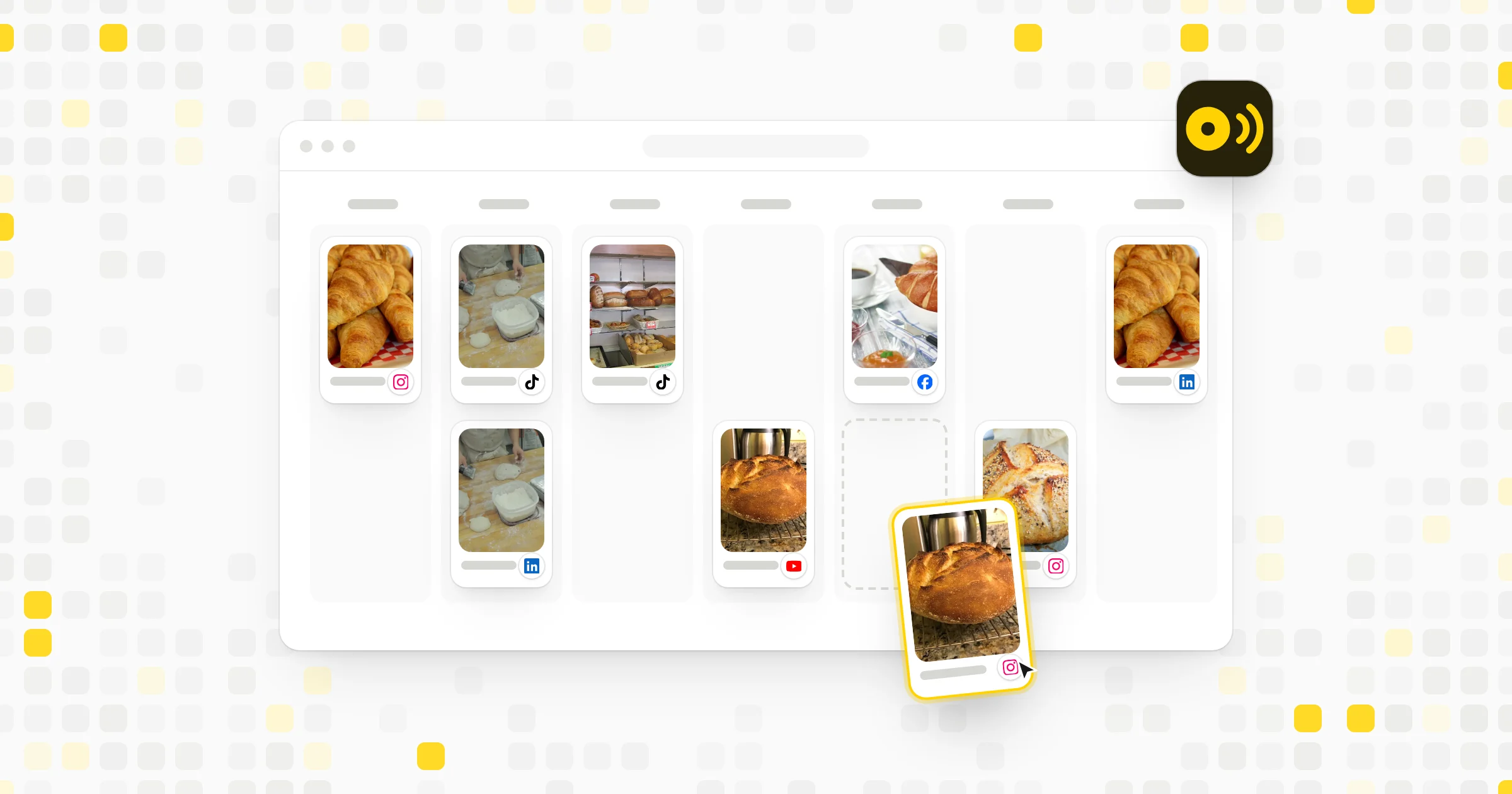 Compare tools15 Best Social Media Scheduling Tools, Compared (2026)
Related terms
- Paid socialPaid social is advertising on social media apps, where you pay to show posts or ads to people you choose by interest, location, age or behavior.
- Organic reachOrganic reach is the number of unique people who see your content without you paying to promote it.
- Content calendarA content calendar is a schedule of planned social media posts showing what will go out, on which channel, on which day and at what time.
- Content pillarsContent pillars are the three to five core topics a brand or creator posts about again and again, giving the feed focus and making planning easier.
- Community managementCommunity management is talking with your audience on social media: replying to comments and messages and keeping discussions friendly and safe.