What is Pinterest?
Pinterest is a social app built around ideas. People use it to plan meals, decorate homes, find outfits, gather wedding ideas, learn crafts and shop. Each idea is a pin, and people save pins to boards so they can come back later. A board might be called "Garden plans" or "Easy dinners".
Pinterest feels less like a chat app and more like a search engine with pictures. People come with a goal in mind and look for ways to reach it. They follow accounts too, but many never talk to anyone. They search, save and click.
Personal and business accounts are free to create and use. You only pay if you choose to run ads to reach more people.
How Pinterest works
- Pins: images or videos with a title, a description of up to 500 characters and often a link.
- Boards: collections where people save pins by theme. Boards can be public, secret or shared with others.
- Search: people type what they want and see matching pins, with suggested words to narrow it down.
- Home feed: a stream of pins picked for each person based on what they search and save.
- Related pins: more ideas shown under any pin someone opens.
When someone saves your pin, more people can find it through their boards and through recommendations. Pinterest reads your words, your image and the page you link to, then matches your pin to searches.
Why Pinterest matters for business
People on Pinterest are often planning a purchase or a project, so they are open to ideas from brands. Pins link straight to websites, which makes Pinterest a steady source of traffic for blogs, shops and recipe sites. Content also lasts longer here than on fast-moving feeds, which rewards evergreen posts.
Outbound clicks to a recipe page
| Outbound clicks | |
|---|---|
| Month 1 | 40 |
| Month 2 | 95 |
| Month 3 | 160 |
| Month 4 | 210 |
| Month 5 | 240 |
| Month 6 | 250 |
Another plus is that people often plan early. A home store might see searches for patio ideas build up well before summer. If your pins are already there, they are ready when people start looking.
How to set up Pinterest for marketing
- 1Business account
Create one or switch your personal account for free.
- 2Claim your site
Prove you own your website so pins show your name.
- 3Make boards
One board per topic your customers search for.
- 4Pin and link
Tall images that link to the exact matching page.
- 5Check analytics
Watch saves and outbound clicks each month.
- Create a business account or switch your personal one. It is free and gives you analytics and ads.
- Claim your website so your pins show your name and logo and you can see stats for pins from your site.
- Write a clear profile with a short line about what you share and a link to your site.
- Create boards for the main topics your customers search for, with plain, searchable names.
- Pin tall, clear images with short text overlays, and link each one to the matching page.
- Keep pinning fresh images for your best pages so they get more chances to show up.
As for what to pin, helpful, visual ideas tied to what you sell work best. A furniture shop might pin "Small entryway ideas" with a photo of its bench in a narrow hall. A food blog might pin each recipe with a photo and the cook time on the image. A software company might pin a checklist or a simple chart that links to a guide.
Think about what your customer is planning, then make pins that help with that plan. Hard sales pitches tend to get skipped. A pin that solves a small problem, like "how to fit a desk in a closet", earns saves, and saves bring it to more people.
How Pinterest differs from other networks
On most apps, a post gets most of its views in its first day. On Pinterest, a pin can grow slowly over weeks and keep going for months. Replies and comments matter less, while saves and clicks matter more. Hashtags play a small role, and good words in your title and description do most of the work. Video exists, but still images remain a big part of the feed.
How to measure Pinterest results
Pinterest analytics show impressions, saves, pin clicks and outbound clicks for each pin and for your whole account. Outbound clicks are the ones that send people to your site. Add UTM tags to your links so your website analytics can show what those visitors did next, such as signing up or buying.
Common mistakes
- Treating Pinterest like Instagram and posting selfies or chatty updates.
- Linking every pin to your home page.
- Giving boards cute names nobody would search for.
- Giving up after a few weeks, before pins have had time to build.
- Pinning only your own posts once and never coming back to refresh them with new images.
Tools that help
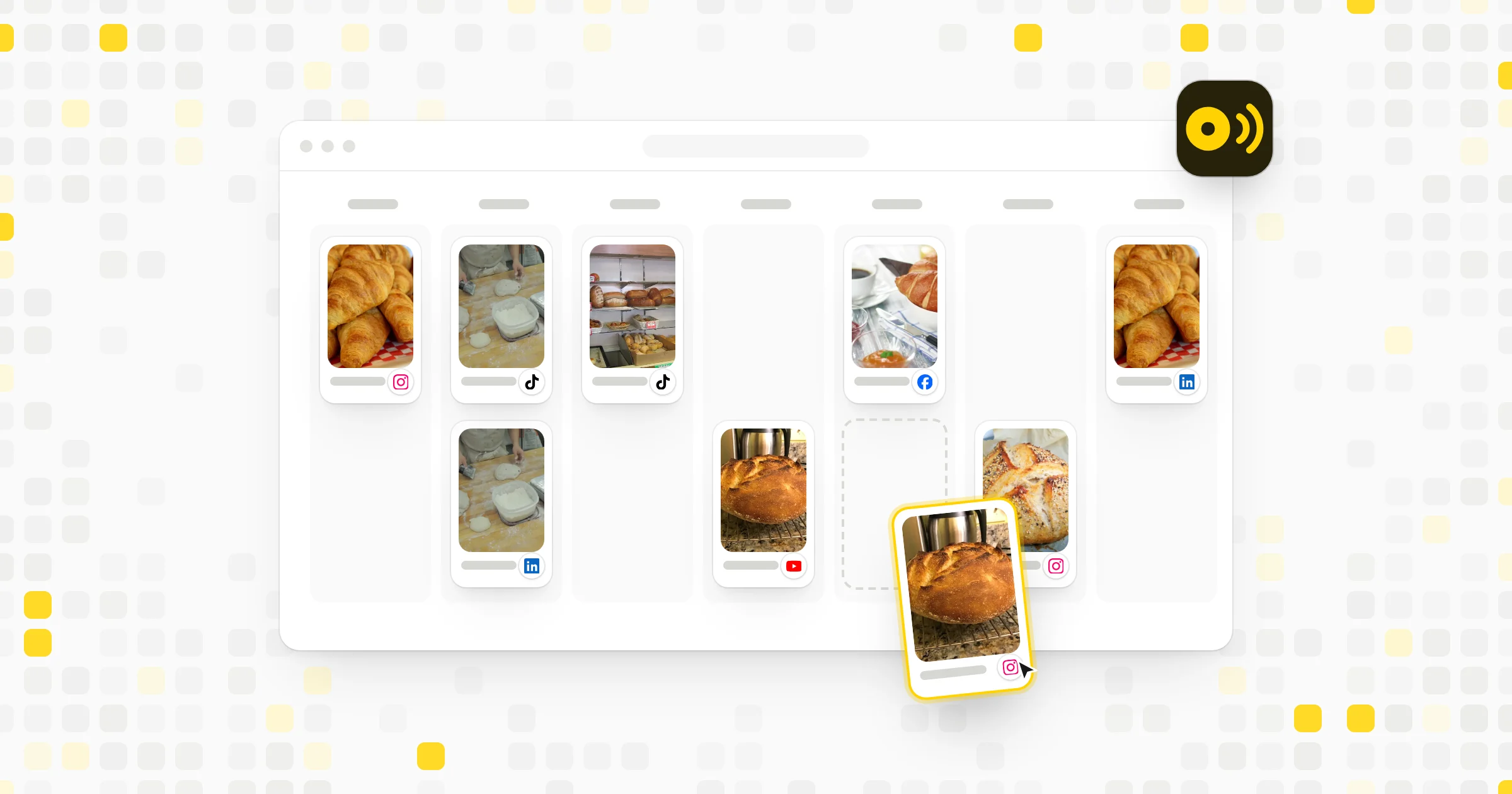
 Capybaroar Pinterest schedulerOur toolPlan pins to your boards on one calendar next to your other channels.Open
- UTM builderOur toolOur free builder tags pin links so you can see what Pinterest visitors do on your site.Open
 CanvaA design tool for making tall pin images.Visit site
 Google AnalyticsWebsite analytics that show which pins sent visitors who signed up or bought.Visit site
 Compare tools15 Best Social Media Scheduling Tools, Compared (2026)
Related terms
- PinA pin is a post on Pinterest: an image or video with a title, description and link that people save to boards to keep ideas for later.
- Rich PinA Rich Pin is a Pinterest pin that pulls extra details, like a product's price or a recipe's ingredients, straight from your website.
- SavesSaves are the number of times people bookmarked your post so they could find it again later, a sign they found it useful.
- Evergreen contentEvergreen content is content that stays useful for a long time, so you can share it again months or years after you first post it.
- KeywordA keyword is a word or phrase people type into search, and on social media it is the wording that helps your posts show up for those searches.