What is a vlog?
A vlog, short for video blog, is a video where someone shares their own life or point of view on camera. A vlogger might film a day at work, a trip, a move to a new city or a cooking session at home. They usually speak right to the viewer, which makes it feel like hanging out with a friend. People who make vlogs are called vloggers.
Vlogs grew up on YouTube, and that is still their main home. Shorter vlog-style clips are also common on TikTok, Instagram Reels and YouTube Shorts.
Why vlogs matter
Vlogs build a close bond. Viewers get to know the person, their habits and their sense of humor. That trust makes vlogs strong for creators and for brands that want to show the people behind the business. A founder vlogging the build of a new shop, for example, lets customers feel part of the story before the doors even open.
Vlogs also keep people coming back. When viewers care about a person, they want to see what happens next week. That makes a regular vlog series one of the steadiest ways to build subscribers.
Types of vlogs
- Day in the life: a normal day at work, school or home, shown from start to finish.
- Travel vlogs: a trip told as a story, with places, food and small surprises.
- Project vlogs: a home renovation, a garden or a new business, followed over many episodes.
- Event vlogs: a wedding, a trade show or a concert, seen through one person's eyes.
- Talking vlogs: the creator sits down and talks through a topic or answers questions.
- Behind the scenes: how a product gets made, or what a team does all week.
How to make a vlog, step by step
- 1Theme
Pick what the vlog is about.
- 2Story and shot list
Plan the start, middle, end and must-have moments.
- 3Film
Use your phone, good light and clear sound.
- 4Edit
Cut slow parts and keep the story moving.
- 5Thumbnail and title
Say what happens in the video.
- 6Schedule
Post when your viewers are around.
- Pick a theme. Travel, study, fitness or running a small business. A clear theme helps people know what to expect.
- Plan a loose story. Even a normal day needs a start, a middle and an end. Know what question the video answers.
- Make a short shot list. Note the moments you must catch, like arriving, the big task and the result.
- Film with what you have. A phone is enough. Good light and clear sound matter more than a fancy camera.
- Talk to the camera like it is one friend. Keep it natural and say what you are thinking.
- Edit hard. Cut slow parts. Jump cuts keep things moving.
- Add a thumbnail and title that say what happens in the video, then schedule it for a time your viewers are around.
Here is an example. A baker starts a weekly vlog about opening her first cafe. Episode one is signing the lease. Episode two is painting the walls with friends. Each video ends with a small question, like "Will the oven arrive in time?" Viewers come back to find out, and by opening day many of them visit in person.
Where the time goes
Most new vloggers are surprised by how much time editing takes. Filming a day might take a few hours spread out. Turning that into a tight story can take longer than the filming did.
Time spent on a ten-minute video
- Editing48%
- Filming32%
- Thumbnail and title12%
- Planning8%
| Part | Share |
|---|---|
| Editing | 48% |
| Filming | 32% |
| Thumbnail and title | 12% |
| Planning | 8% |
Plan your week around that. Many vloggers film on one day and edit on the next, so posting stays on schedule.
After each upload, check how the video did. Look at how long people watched and where the retention graph dips. A dip at the same kind of moment in every vlog, like a long drive or a slow setup, tells you what to trim next time. Comments also show which parts people loved, so you know what to film more of.
Vlog vs blog
A blog is written. A vlog is filmed. Both are personal and often casual, and both can cover any topic. Some creators turn a vlog into a blog post or the other way around, reaching people who prefer to read or to watch. A vlog shows tone of voice and face, which builds trust faster. A blog is easier to skim and search.
Common mistakes
- Filming hours with no plan, then having nothing to edit into a story.
- Bad audio. People forgive shaky video more than sound they can't hear.
- Filming people in public or at work without asking them.
- Sharing private details, like your home address or car plate, by accident in the background.
- Long intros before anything happens. Start with the most interesting moment.
Tools that help
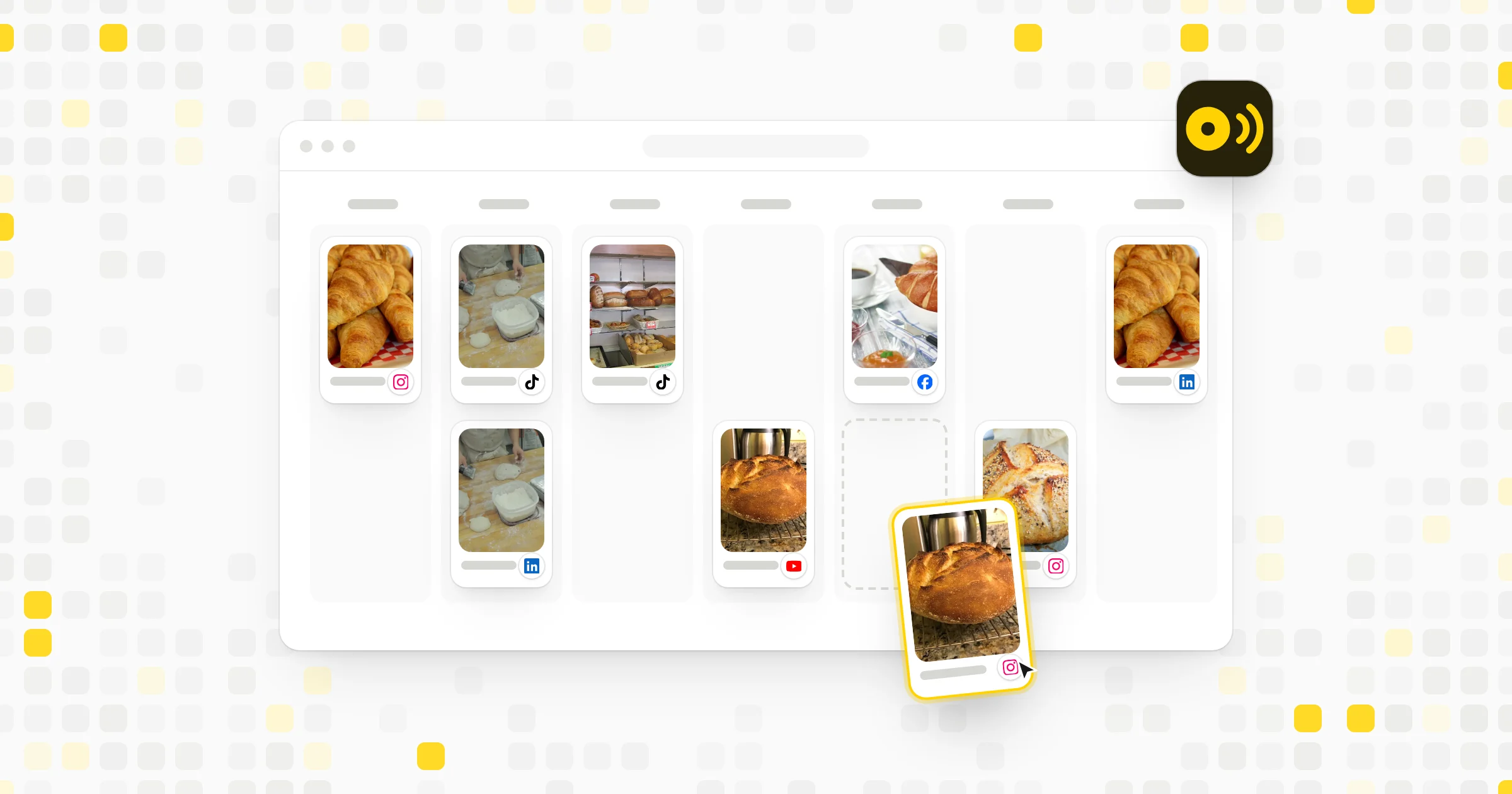
 Capybaroar YouTube schedulerOur toolSchedule your vlog uploads on a calendar so episodes go out on the same day each week.Open
- YouTube thumbnail sizeOur toolOur free tool checks and resizes your vlog thumbnail.Open
 CapCutA video editor for cutting your clips into a story.Visit site
 CanvaA design tool for making thumbnails with bold, readable text.Visit site
 Compare tools15 Best Social Media Scheduling Tools, Compared (2026)
Related terms
- YouTubeYouTube is Google's video platform, where people upload and watch long videos and Shorts, and creators can earn money from their channels.
- Content creatorA content creator is a person who makes and publishes videos, posts, photos, podcasts or writing online, often building an audience around a topic.
- Jump cutA jump cut is a video edit that removes part of a continuous shot, so the person or scene seems to jump forward in time.
- VoiceoverA voiceover is spoken narration recorded separately and played over a video, so viewers hear a voice while they watch what is on screen.
- GRWMGRWM stands for get ready with me, a video style where a creator chats with viewers while doing their makeup, hair or getting dressed.