What is YouTube?
YouTube is a video-sharing site owned by Google. Anyone can make a channel and upload videos. Viewers find videos through search, the home page, suggestions next to other videos and their subscriptions. YouTube also has Shorts for quick vertical videos, live streams and community posts for text and polls.
Each video has a title and a description of up to 5,000 characters. Creators manage everything in YouTube Studio, from uploads to analytics to comments.
How people find videos on YouTube
YouTube works a lot like a search engine. People type questions like "how to fix a leaky tap" and watch the answers. It also recommends videos on the home page and next to whatever someone is watching. Subscribers see your new uploads in their feed and may get an alert.
Traffic sources over one month
- YouTube search38%
- Suggested videos31%
- Home page19%
- Everything else12%
| Part | Share |
|---|---|
| YouTube search | 38% |
| Suggested videos | 31% |
| Home page | 19% |
| Everything else | 12% |
The mix differs a lot by channel. A how-to channel may get most views from search. An entertainment channel may get most from suggestions and the home page. YouTube Studio shows your own split under traffic sources, so check it before you decide where to focus.
Why YouTube matters
A helpful video can keep getting found for years after it goes up. That makes YouTube great for evergreen content: tutorials, reviews, explainers and stories that stay useful. Unlike a feed post that fades in a day, a good YouTube video can keep bringing in viewers and subscribers long after you made it.
YouTube also pairs well with other networks. A short clip on a feed app can grab attention, and a full YouTube video can hold it. Many creators post a teaser elsewhere and point people to the long version. Brands embed their YouTube videos on their own website, in help pages and in emails, so one upload does many jobs.
It also lets creators earn money through the YouTube Partner Program, which shares ad money, along with channel memberships and shopping features. The rules for joining change over time, so check YouTube's help pages.
How to start on YouTube, step by step
- Pick a clear focus. Viewers subscribe when they know what to expect next.
- Research what people search for. Type your topic into YouTube's search bar and note the suggestions.
- Write clear titles. Say what the video gives, in the words people search for.
- Make a bold thumbnail. It should be easy to read on a small phone screen.
- Hook viewers fast. Tell them in the first seconds what they will get, then deliver.
- Use the description and playlists. Add links, chapters and related videos so viewers find more.
- Schedule your uploads. A steady day and time helps subscribers know when to come back.
- Check YouTube Studio. See watch time, retention and where viewers come from, then adjust.
Here is an example. A home gardener starts a channel answering one question per video, like "why are my tomato leaves yellow?" Each title matches what people type into search. The first few videos get few views. After a year of weekly uploads, the older videos keep getting found every day, and new videos start getting suggested next to them.
Long videos vs Shorts
| Long videos | Shorts | |
|---|---|---|
| Shape | Wide | Vertical |
| Found through search | Often | Less often |
| Reaches new viewers fast | Sometimes | |
| Room to teach in depth | – | |
| Builds loyal subscribers | Some |
Many channels use both. Shorts get them discovered by new people, and long videos build a real bond with the viewers who stay. Linking a Short to a related long video helps move people from one to the other. Some creators cut a strong moment from each long video into a Short, which saves filming time and gives every upload two chances to be found.
YouTube vs other video apps
Short video apps are built around a feed that shows you clips from people you don't follow. YouTube has that too, in Shorts, but its heart is search and long videos. People often come to YouTube with a question or a topic in mind and stay for a long time. That makes it a better home for videos that teach, explain or tell a full story.
Common mistakes
- Slow intros that make people leave before the good part.
- Clickbait titles and thumbnails that don't match the video.
- Posting at random with no plan, then giving up early.
- Using music you don't have rights to, which can lead to copyright claims.
- Leaving the description empty, which wastes space that helps search.
Tools that help
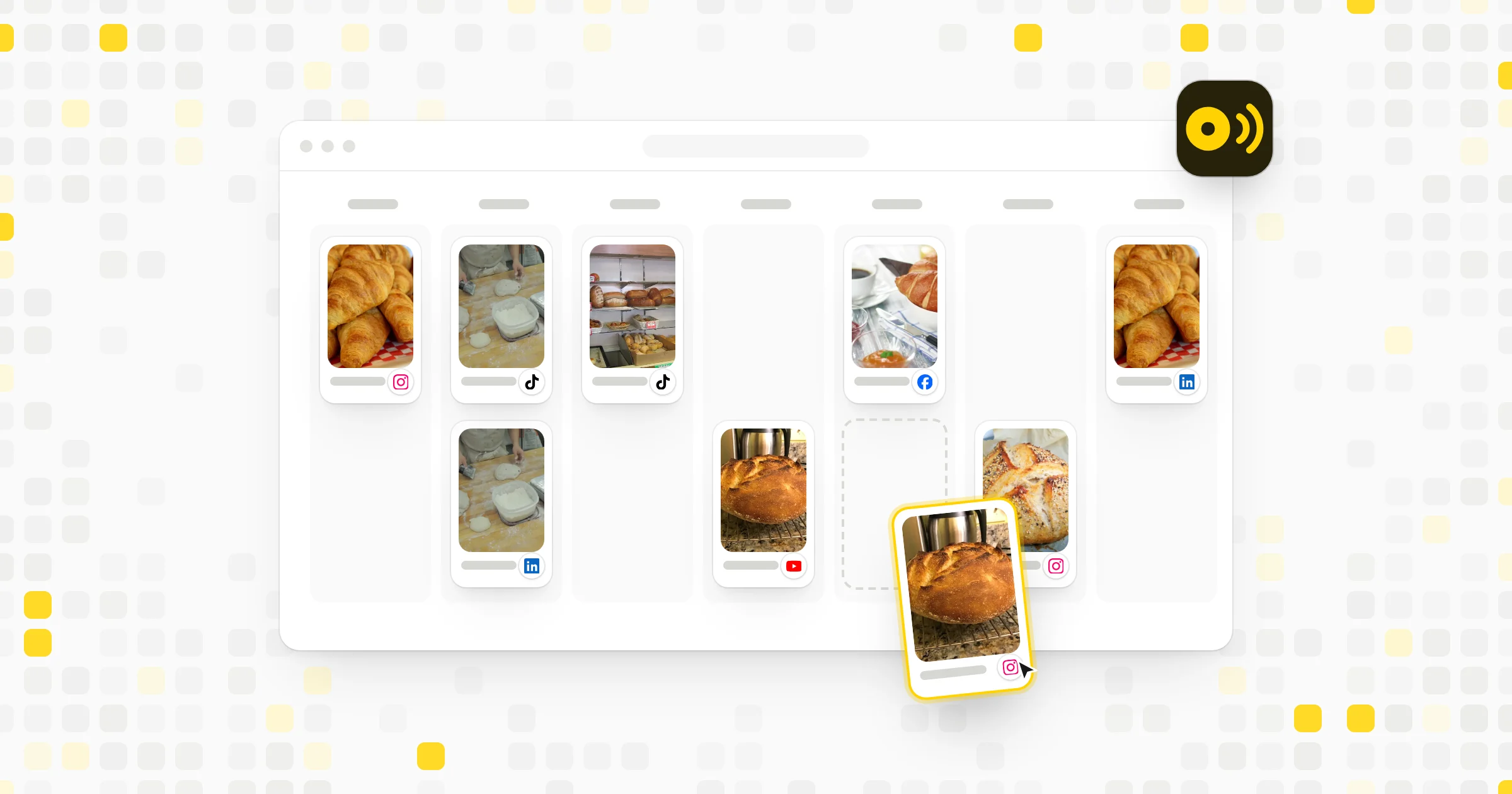
 Capybaroar YouTube schedulerOur toolSchedule your YouTube uploads on one calendar with posts for your other networks.Open
- YouTube thumbnail sizeOur toolOur free tool checks and resizes thumbnails for YouTube.Open
- YouTube banner sizeOur toolCheck your channel banner so it looks right on phones, computers and TVs.Open
 YouTube StudioYouTube's free dashboard for uploads, analytics and comments.Visit site
 Compare tools15 Best Social Media Scheduling Tools, Compared (2026)
Related terms
- YouTube ShortsYouTube Shorts are short vertical videos on YouTube, shown in a swipeable feed, made for quick viewing on phones.
- YouTube StudioYouTube Studio is YouTube's free dashboard for creators, used to upload videos, edit details, read analytics, manage comments and set up earning.
- Watch timeWatch time is the total amount of time people have spent watching your videos, a key YouTube measure of how much viewers stay engaged.
- ThumbnailA thumbnail is the small preview image people see before they click a video or post, most often on YouTube, chosen to make them want to watch.
- SubscriberA subscriber is a person who follows a YouTube channel or similar account so its new videos and posts show up for them.