What is native content?
Native content follows the habits of the place where it's posted. A native TikTok is a vertical video with a fast hook and a sound. A native LinkedIn post is a clear text post with short paragraphs. A native Pinterest Pin is a tall image with a helpful title. Each one fits right in with what people expect to see on that app.
The term has a second meaning in advertising. Native advertising is paid content designed to match the look of the site or feed it runs on, like a sponsored article on a news site. Both meanings share the same idea: content that blends in with its surroundings.
Native content vs cross-posted content
Cross-posting means sharing the exact same post on many networks. It saves time, but it can look out of place. A video with another app's watermark, a caption full of tags that don't work on that network or a square image cropped badly in a tall feed all tell viewers the post wasn't made for them. Native content takes the same idea and shapes it for each place.
| Native content | Cross-posted content | |
|---|---|---|
| Shape fits the app | – | |
| Caption fits the text limit | Not always | |
| Uses the app's own features | – | |
| Time to make | More | Less |
| Looks like it belongs in the feed | – |
You don't have to start from scratch for each app. Start with one idea, then change the shape, the length and the tone to fit. Many teams write one main version and then make quick edits for each network.
How to make native content
- 1Start with one idea
The news, tip or story you want to share.
- 2Pick the shape for each app
Tall video, carousel, text post or Pin.
- 3Change the tone and length
Fit each audience and each text limit.
- 4Add the app's own touches
Sounds, stickers, polls or document pages.
- 5Upload directly to each app
No watermarks and no detour links.
- Use each app as a regular user. Spend time scrolling to learn what people post and enjoy.
- Get the shape right. Note the right size for images and video on each app, from tall to square.
- Match the tone. Playful on TikTok, more thoughtful on LinkedIn, helpful on Pinterest.
- Use the app's own features. Stickers, sounds, polls or document posts show you belong there.
- Fit the text limits. Write captions that work within each app's cap.
- Upload files directly. A link to a video on another network feels like a detour.
Length is one of the clearest signs that a post was made for its app. A caption that works on Facebook may get cut off or rejected on X. Here are the caps for the main networks:
| Characters | |
|---|---|
| 63,206 | |
| 3,000 | |
| 2,200 | |
| TikTok | 2,200 |
| Threads | 500 |
| Bluesky | 300 |
| X (standard) | 280 |
Limits used by Capybaroar's composer, November 2026.
Even when a long caption fits, short often reads better. A long story suits Facebook and LinkedIn. A single sharp line suits X, Threads and Bluesky.
Native advertising and disclosure
Because native ads blend in, they must be labeled. Words like "sponsored," "paid partnership" or "ad" tell readers that money was involved. Hiding that label can mislead people and break advertising rules in many countries. Good native ads are honest about who paid and still give readers something useful.
An example
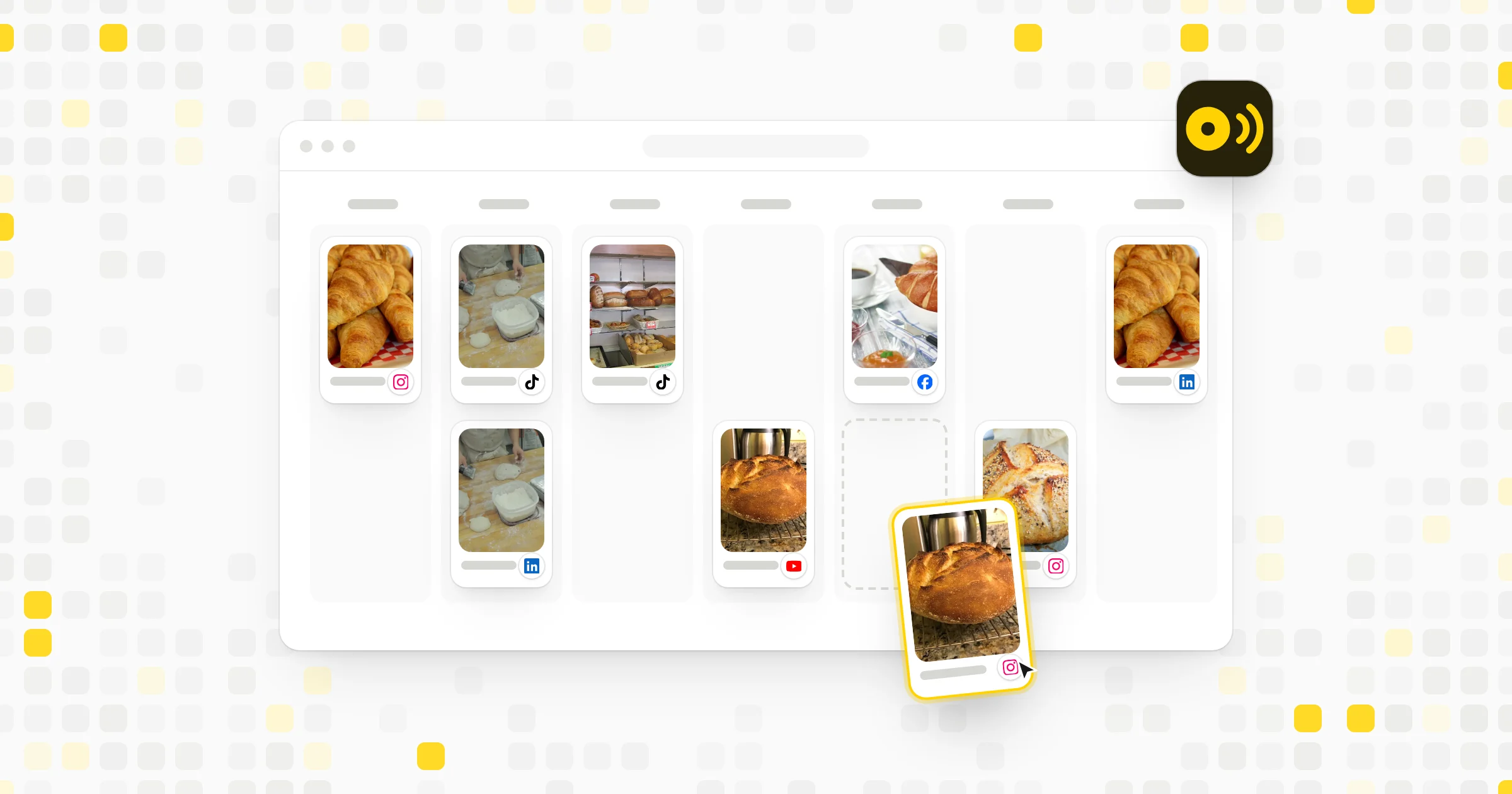
Say a bakery wants to share a new croissant. On TikTok it posts a quick video of the flaky layers being pulled apart, set to a trending sound. On Instagram it shares a carousel with close-ups and the price. On LinkedIn the owner writes about the four months it took to test the recipe and what she learned about patience. On Pinterest it posts a tall photo titled "How to tell a good croissant." Same news, shaped four ways.
Native content on different networks
Here is a quick sense of what feels native on the main apps, in general terms. On Instagram, polished photos, carousels and Reels with clear covers. On TikTok, fast vertical video that starts with action in the first second. On YouTube, longer videos with a strong thumbnail, plus Shorts for quick clips. On LinkedIn, text posts with a clear opening line, document posts and real stories from work. On X, Threads and Bluesky, short, sharp text and replies. On Pinterest, tall images with helpful titles that people save for later.
Features on every app change often. The best guide is what you see working in your own feed this month.
Compare the same idea across networks. If the native version on each app beats the posts you used to cross-post unchanged, your effort is paying off. Look at watch time on video apps, saves on Pinterest and Instagram, and comments on LinkedIn. Each app rewards a different kind of attention, so judge each version by what counts there.
Common mistakes
- Posting a video with another app's watermark.
- Using hashtags or mentions that don't work on the network you post to.
- Cropping a wide image into a tall feed so the main subject is cut off.
- Copying one tone everywhere, so the brand sounds stiff on fun apps or silly on work apps.
- Running native ads without a clear label.
Tools that help
 Capybaroar SchedulerOur toolSchedule to each network from one calendar and check the previews before posts go out.Open
- Instagram post sizeOur toolOur free guide to the right picture sizes for Instagram.Open
 CanvaA design tool for resizing one design into the shape each app needs.Visit site
 CapCutA video editor for cutting tall and square versions of the same clip.Visit site
 Compare tools15 Best Social Media Scheduling Tools, Compared (2026)
Related terms
- Cross-postingCross-posting is sharing the same piece of content on more than one social network, often with small changes to fit each one.
- Sponsored contentSponsored content is a post a brand pays a creator or publisher to make and share, with a clear label that tells people it is paid.
- Paid socialPaid social is advertising on social media apps, where you pay to show posts or ads to people you choose by interest, location, age or behavior.
- Organic socialOrganic social is everything a brand or creator does on social media for free, such as posting, replying to comments and joining conversations.
- Brand voiceBrand voice is the steady personality and style a brand uses in its words, so every post, caption and reply sounds like it came from the same place.