What is auto-posting?
Auto-posting means a tool publishes your posts for you. You write the post, add images or video, pick the account and choose a time. When that time comes, the tool sends the post to the network through its API. You don't need to be online.
Auto-posting can also run on triggers. A new blog article, a new product in your store or a new video on your channel can create a post on its own. Some tools pull from an RSS feed and share each new item. Others take posts sent from your own code through an API.
Why auto-posting matters
- Consistency. Posts go out on schedule even on busy days and holidays.
- Better timing. You can publish when your audience is active, even if that is 6 a.m. for you.
- Time saved. You plan a week of posts in one sitting.
- Fewer slips. No more forgetting to post during a launch.
- Room to think. With the queue full, you can spend your energy on replies and new ideas.
How auto-posting works
- 1Connect
You link your accounts to the tool and approve its access.
- 2Schedule
You set a date and time, or add the post to a queue.
- 3Store
The tool keeps the post and its media until it is due.
- 4Publish
At the set time, it sends the post through the network's API.
- 5Report
It shows whether the post went live or failed.
Most tools give you two ways to time posts. You can pick an exact date and time for each one, which suits launches and events. Or you can set up a queue: a list of weekly time slots, such as Monday, Wednesday and Friday at 9 a.m., and the tool drops each new post into the next open slot. The queue suits steady, evergreen content.
Auto-posting vs cross-posting
Cross-posting means sharing the same content on several networks. Auto-posting is about timing and automation. You can do both at once, but take care. Each network has its own limits and style. An Instagram caption can run to 2,200 characters, while a standard X post has room for 280 and a Bluesky post 300.
| Auto-posting | Cross-posting | |
|---|---|---|
| About | When a post goes out | Where a post goes |
| Publishes without you online | Only if scheduled | |
| Shares one idea on many networks | Can | |
| Needs a version for each limit | When cross-posting |
A long LinkedIn post pasted into X will get cut short or fail. Write a version for each network, or start with the shortest limit and add detail for the roomier ones. A preview of each version before you schedule catches most problems.
Media matters too. A tall video that fits a short video app may need a different crop for a feed that shows square posts. Some networks take several images in one post, while others take one. Check that each version has the right shape and count before it goes into the schedule.
Characters allowed in one post or caption
| Characters | |
|---|---|
| 63,206 | |
| YouTube description | 5,000 |
| 3,000 | |
| 2,200 | |
| TikTok | 2,200 |
| Discord | 2,000 |
| Google Business Profile | 1,500 |
| Threads | 500 |
| Pinterest description | 500 |
| Mastodon | 500 |
| Bluesky | 300 |
| X | 280 |
Limits used by Capybaroar's composer, November 2026.
How to set up auto-posting
- Connect your accounts. Sign in to each network through your tool and approve its access.
- Set your time slots. Start with times your analytics say your audience is online.
- Fill a week. Write and schedule a week of posts, then check the calendar for gaps and clumps.
- Turn on alerts. Make sure you hear about any post that fails, such as one with an expired login.
- Review weekly. Look at what went out, what worked and what needs to change.
Keep a few open slots each week for timely posts. A fully booked queue leaves no room for a trend, a customer story or a quick reply to news in your field.
Common mistakes
The biggest risk is posting on autopilot and forgetting the world around you. If major news breaks, a cheerful scheduled post can look careless. Check your queue when big events happen and pause it if needed.
Another mistake is setting up a trigger, such as every new product, and then flooding followers with dozens of posts at once. Add limits or space them out. A third is ignoring failed posts. Logins expire, and networks change their rules, so check your alerts.
Finally, auto-posting is only half of social media. Someone still needs to read comments and reply, ideally soon after each post goes live, when people are most likely to be watching.
Plan for that time. If a post is set for 9 a.m., block a few minutes around 9:30 to read the first comments and answer them.
Is auto-posting allowed?
Most major networks allow scheduled posting through their official APIs. Using unofficial bots or spam patterns breaks platform rules and can get accounts limited. Stick to tools that use each network's official connection, and keep posting at a pace that a person would. Avoid tools that ask for your password instead of sending you to the network's own sign-in page. Some post types may still need you to finish them by hand in the app, depending on the network.
Tools that help
 Capybaroar SchedulerOur toolPlan posts on a calendar or queue and publish to 14 networks, with previews for each one.Open
- Capybaroar APIOur toolSend posts from your own store, blog or app straight into your schedule.Open
- Character counterOur toolOur free counter checks a post against each network's limit.Open
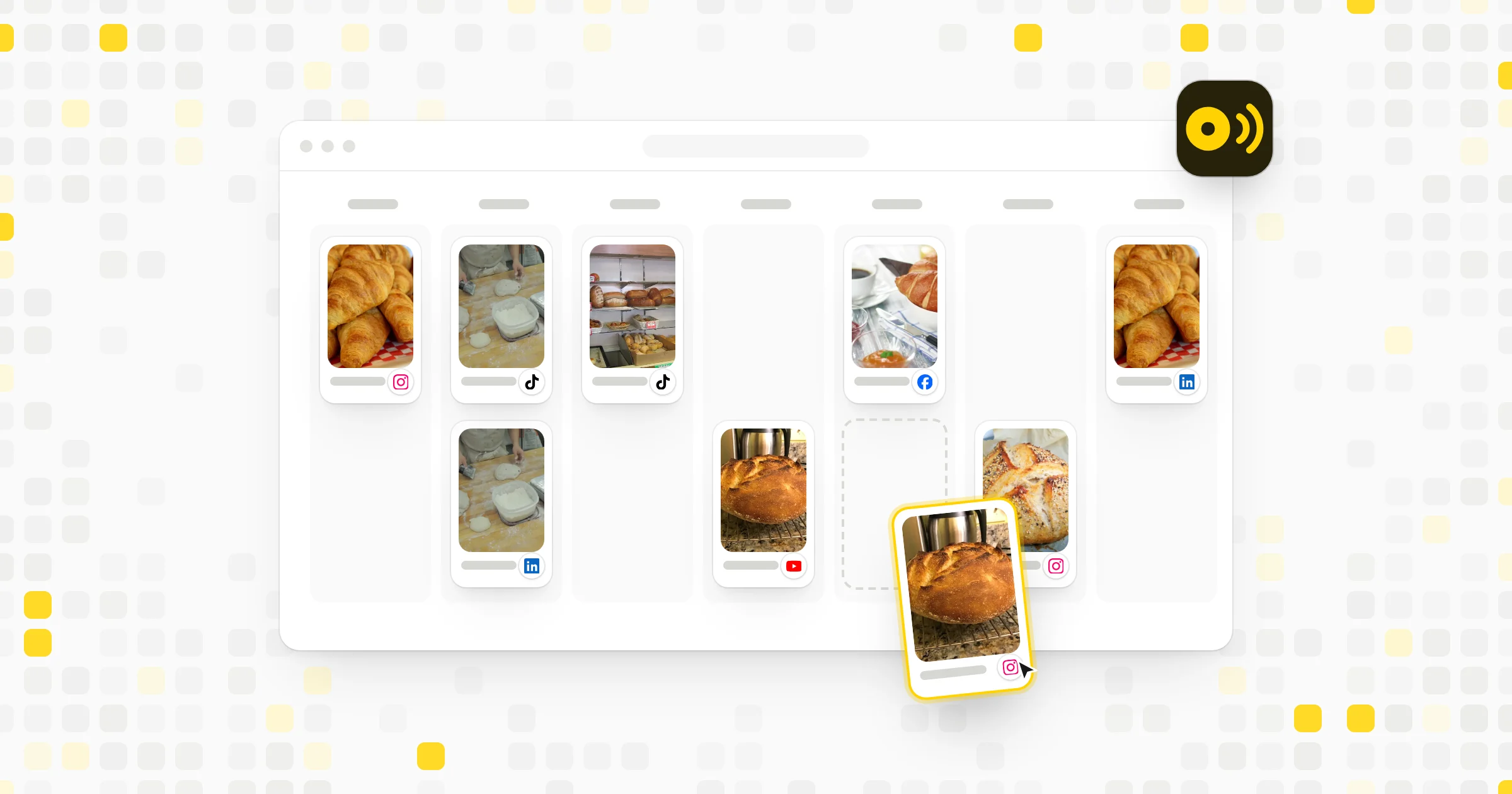 Compare tools15 Best Social Media Scheduling Tools, Compared (2026)
Related terms
- Social media schedulingSocial media scheduling is writing posts ahead of time and setting them to publish automatically at a chosen date and time.
- Bulk schedulingBulk scheduling is loading many social media posts into a scheduling tool at once, often from a spreadsheet, so they publish over days or weeks.
- QueueA queue is a line of posts waiting to be published in order, each one going out at the next open time slot you set in a scheduling tool.
- Cross-postingCross-posting is sharing the same piece of content on more than one social network, often with small changes to fit each one.
- RSS feedAn RSS feed is a file a website publishes that lists its newest posts in a standard format, so apps and tools can pick up new content automatically.