What is posting frequency?
Posting frequency is the pace at which you share new posts on an account. You can count it per day, per week or per month, and it often differs from one app to the next. A brand might post several times a day on X, once a day on Instagram and twice a week on LinkedIn.
Frequency is about rhythm as much as volume. Three posts every week, week after week, usually does more for you than ten posts one week and none the next. Followers learn when to expect you, and you learn faster because each week looks like the last.
It helps to track frequency for each app and each format on its own. Two Reels and four Stories a week on Instagram is a different plan from six feed photos, even though both add up to six items.
Why posting frequency matters
Each post is a new chance to be seen. Posting too rarely means your followers forget you, and the app has little fresh content to show. Posting too often can tire your audience, lower the quality of each post and burn out your team. The right pace keeps you visible without wearing anyone out.
Frequency also shapes how fast you learn. More posts give you more data on what works, as long as each one is good enough to be worth testing.
How frequency changes results
As you post more, total reach often rises, but the reach of each post can start to slip. At some point, extra posts add little and may even pull your average down. The chart below shows that pattern.
Average reach per post at each weekly pace
| Reach per post | |
|---|---|
| 1 a week | 2,400 |
| 3 a week | 2,300 |
| 5 a week | 2,100 |
| 7 a week | 1,700 |
| 14 a week | 1,100 |
Your own curve will look different. The goal is to find the pace where total results keep growing and each post still holds up.
How networks differ
Fast feeds like X, Threads and Bluesky move quickly, so a post fades within hours and more frequent posting is normal. Instagram and Facebook sit in the middle. LinkedIn feeds move slower, and posts can keep getting views for a couple of days. Pinterest and YouTube content can keep being found for months, so fewer, stronger posts can go further. Stories and short videos often run on their own pace, apart from feed posts.
Groups and communities are another case. In a Facebook group or a Discord server, members may welcome a daily prompt but feel crowded by several brand posts a day. Watch how members respond and set the pace with them in mind.
How to find your right posting frequency
- 1Baseline
Write down reach and engagement per post for the last month.
- 2Change the pace
Post more or less on one app for three or four weeks.
- 3Compare
Check total reach and reach per post against the baseline.
- 4Decide
Keep the pace that grows results without hurting each post.
- Start with what you can keep up. A pace you can hold for months beats a burst that stops after two weeks.
- Write down your current numbers. Note average reach and engagement per post for each app over the past month.
- Change one thing at a time. Raise or lower your pace on one app for three or four weeks.
- Compare per post and in total. Did total reach grow? Did reach per post hold steady or drop?
- Watch for fatigue. Rising unfollows, muted accounts or falling engagement per post can mean you are posting too much.
- Settle on a pace and review it every few months. Audiences and apps change.
For example, a coffee roaster might post three times a week on Instagram for a month, then five times a week for a month. If reach per post stays close and total reach grows, five is worth keeping. If saves and comments per post fall off, three may be the better pace.
How to keep a steady posting schedule
- Plan posts ahead on a content calendar.
- Batch your writing and filming into set blocks of time.
- Use a queue with fixed time slots so posts go out on their own.
- Turn one strong idea into several formats for different apps.
- Keep a short list of backup posts for busy weeks.
- Give one person the job of checking the calendar each Monday for gaps.
Common mistakes
- Copying a number you read somewhere. Your own results are a better guide than any rule of thumb.
- Posting filler to hit a target. A weak post can teach followers to scroll past you.
- Posting the same text on every app at the same moment. It can look lazy to people who follow you in more than one place.
- Changing pace and format together. Then you can't tell which change made the difference.
Good posts on a steady rhythm count for more than any single number.
Tools that help
 Capybaroar SchedulerOur toolSet queue time slots for each channel and let posts go out at a steady pace.Open
- Capybaroar AnalyticsOur toolTrack reach and engagement per channel while you test a new pace.Open
- Best time to postOur toolOur free guide helps you choose the hours for your time slots.Open
 Google SheetsA free spreadsheet for logging your weekly numbers during a test.Visit site
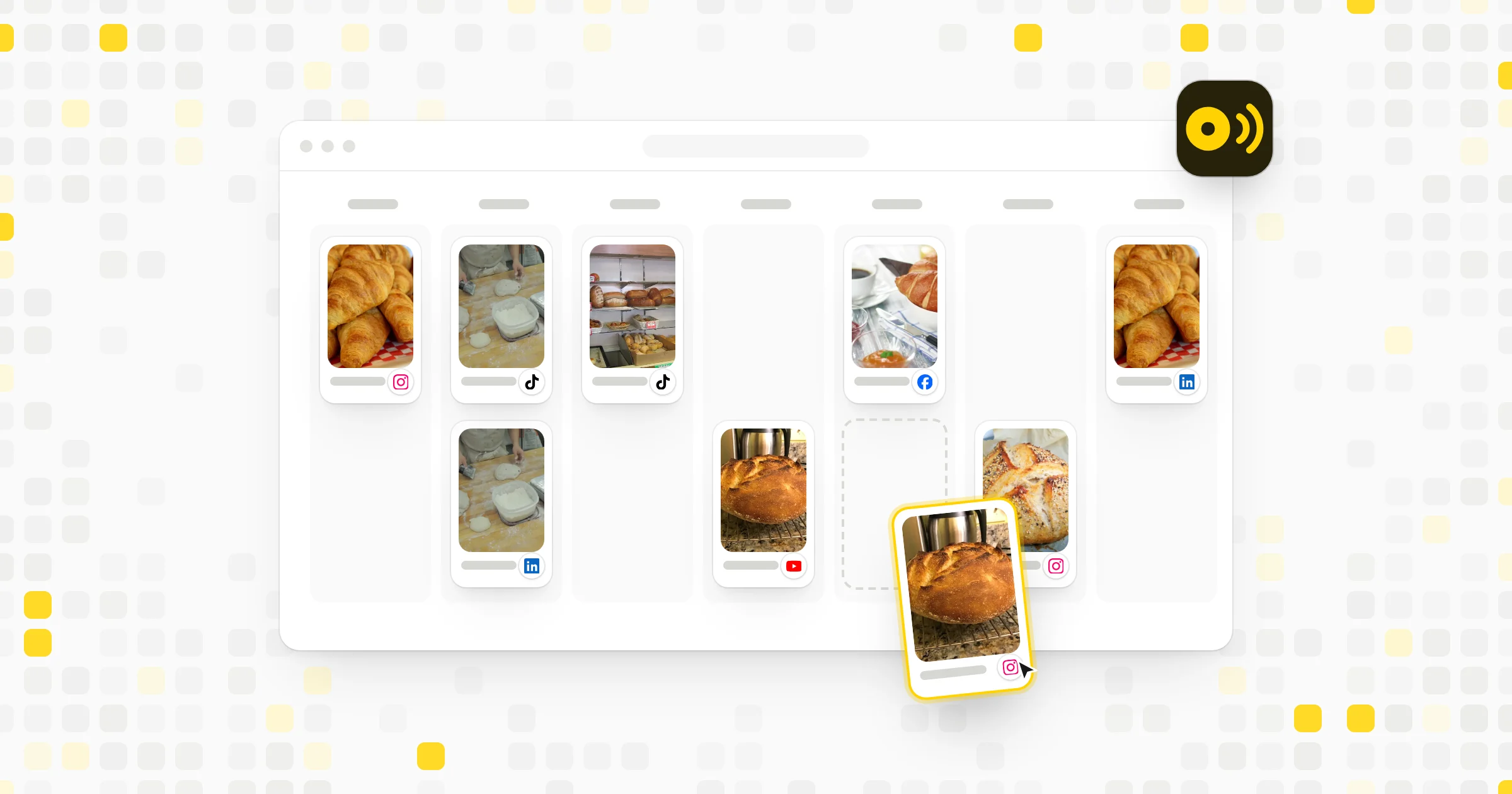 Compare tools15 Best Social Media Scheduling Tools, Compared (2026)
Related terms
- Best time to postThe best time to post is the day and hour when your own audience is most active and most likely to see and engage with your content.
- Content calendarA content calendar is a schedule of planned social media posts showing what will go out, on which channel, on which day and at what time.
- QueueA queue is a line of posts waiting to be published in order, each one going out at the next open time slot you set in a scheduling tool.
- BatchingBatching is creating many pieces of social content in one focused session, such as writing a week of posts or filming several videos in one day.
- Social media schedulingSocial media scheduling is writing posts ahead of time and setting them to publish automatically at a chosen date and time.